Nan
Goldin
Goldin
American, born in 1953
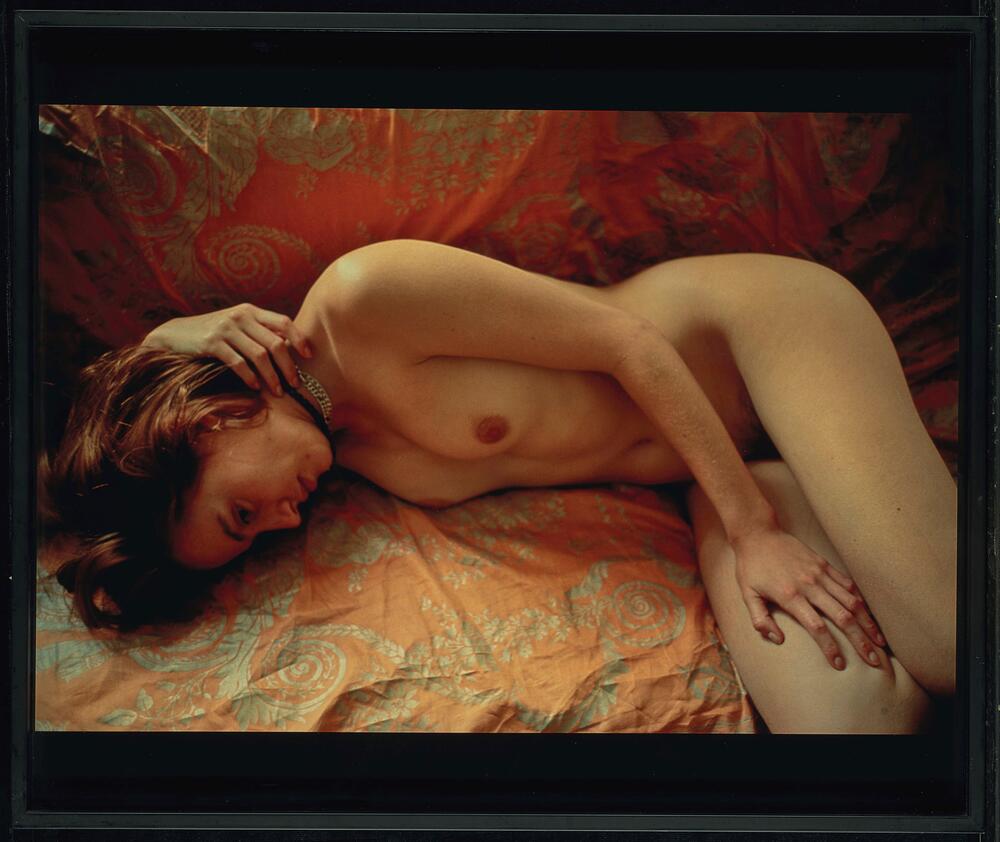
Now a legendary figure in contemporary art, Nan Goldin played a revolutionary role in photography. Her aesthetic, defined by the use of slide shows, often accompanied by a soundtrack or even a voice-over—a technical prowess for the time—explored themes closely tied to the early stages of her life. As a student in Boston, Goldin built a circle of close friends that replaced the warmth of home, which had been shattered by the suicide of her older sister at age 18; Nan was 11 at the time and left home four years later. The people she subsequently surrounded herself with in New York, beginning in the late 1970s, became the true focal point of her work. She documented their lives down to their darkest corners, tracing their evolution—marked by partying, drugs, and the AIDS epidemic—with a raw honesty that paradoxically inspires empathy. Goldin’s camera is, in fact, granted access to scenes normally hidden from the world’s gaze and far removed from the prestige of the artwork. It transforms the banality of the nights of New York’s youth and fringes, along with the decay brought on by addiction or illness, into symbols of generational suffering, whose power quickly entered the universality of visual culture.