Paul
Strand
Strand
American, 1890-1976
Paul Strand (1890–1976) played a pivotal role in the development of modernist photography in America. In 1916, his first abstract works, influenced by Cubism and contemporary European art, marked a dramatic and decisive break with the dominant pictorialist aesthetic. In 1917, the legendary photographer, gallery owner, and trendsetter Alfred Stieglitz featured Strand’s early works in the final special issue of his influential magazine, Camera Work.
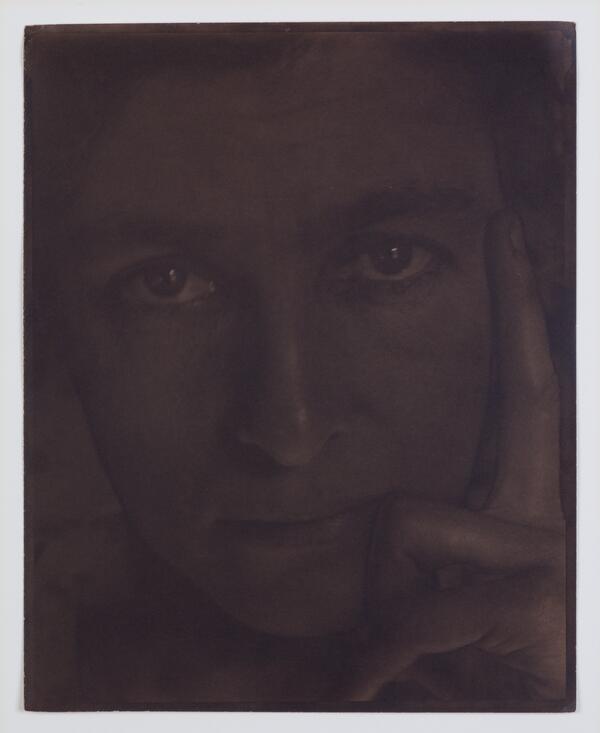
Demanding in his craft, Strand was known to tear up stacks of prints when they did not meet his standards. To accurately convey the emotion he sought in his prints through a wide range of tonal values, he created a large 8 x 10-inch negative, which he printed by contact onto platinum or palladium paper. An excellent printer, he convinced the Platinotype Company to double the layer of its platinum paper after demonstrating the improvement in quality he achieved by doing so himself.